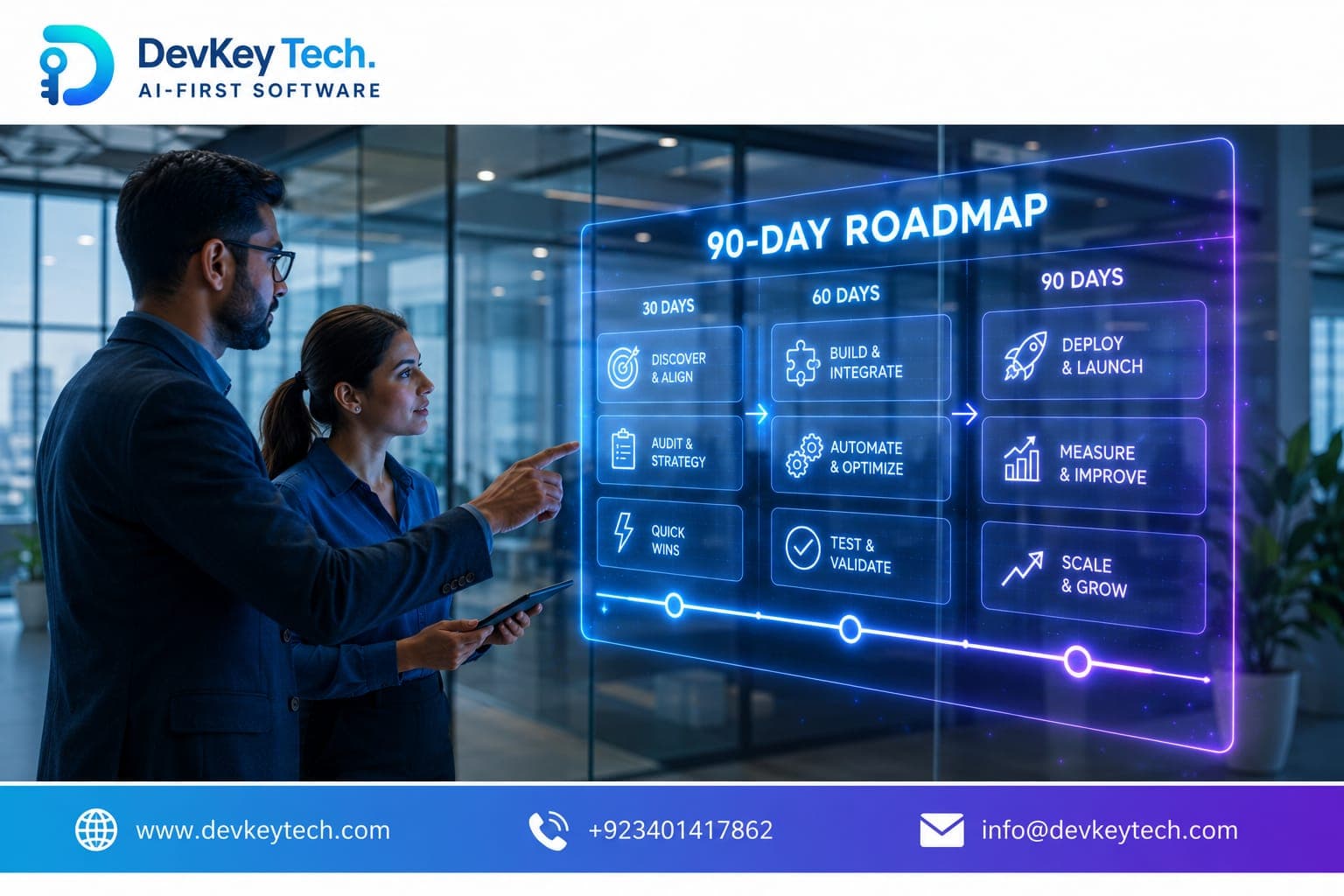
When you engage a technology partner, it’s natural to be excited about the code, the features, and the eventual product. But if you’re only focused on lines of code in the first 90 days, you might be missing out on the most crucial phase of the relationship. A truly effective technology partnership goes far beyond immediate development; it's about deep understanding, strategic alignment, and building a robust foundation for long-term success.
The initial 90 days are a pivotal period for setting the trajectory of your project and your partnership. It’s when a genuine partner invests in understanding your world, not just your requirements. Let's explore what that entails.
Strategic Alignment: Understanding Your Business, Not Just Your Project
Before a single line of production code is written, a valuable technology partner will dedicate significant effort to truly understanding your business context. This isn't a quick questionnaire; it's a deep dive.
Deep Dive into Business Goals and Vision
A superficial understanding leads to superficial solutions. Your partner should host immersive workshops, conduct stakeholder interviews, and ask probing questions to uncover not just what you want to build, but why. They should seek to understand:
- Your Market: Who are your target users? What are their pain points? Who are your competitors?
- Your Business Model: How does your product generate revenue? What are your key value propositions?
- Your Long-Term Vision: Where do you see this product or solution in 1, 3, or 5 years? How does it fit into your broader organizational strategy?
This phase is critical for ensuring that the technical solutions proposed align perfectly with your strategic objectives, preventing costly misalignments down the road.
Comprehensive Technology Audit and Assessment
If you have existing systems, a good partner won't just dive in blind. They'll conduct a thorough audit of your current technology landscape, including:
- Existing Codebases: Reviewing code quality, architecture, dependencies, and potential technical debt.
- Infrastructure: Assessing hosting, databases, networking, and scalability.
- Tooling and Processes: Understanding your current development, deployment, and operational workflows.
- Security Posture: Identifying potential vulnerabilities and compliance requirements.
This assessment helps identify strengths to leverage, weaknesses to address, and potential risks that need mitigation, forming a realistic picture of the effort required.
Developing a Collaborative Technology Roadmap
With a clear understanding of your business goals and current tech landscape, the next step is to co-create a strategic technology roadmap. This isn't just a list of features; it's a phased plan that outlines:
- Key Milestones: What are the critical delivery points and their anticipated impact?
- Prioritization Strategy: How will features and functionalities be ordered to deliver maximum business value early and often?
- Architectural Vision: The high-level technical direction that ensures scalability, maintainability, and security.
This roadmap acts as a living document, guiding development decisions and providing transparency into the journey ahead. Learn more about strategic planning in software development on our blog.
Building a Collaborative Ecosystem: Communication & Transparency
Even the most brilliant technical solution will fail without clear communication and a strong collaborative environment. The first 90 days are about establishing these crucial human elements.
Establishing Clear Communication Protocols
Confusion is the enemy of progress. A reliable partner will work with you to define:
- Channels: Where will daily updates, urgent issues, and strategic discussions take place (e.g., Slack, email, dedicated project management tools)?
- Cadence: How often will formal check-ins, sprint reviews, and strategic meetings occur?
- Reporting: What kind of progress reports will be provided, and in what format?
Transparency should be paramount, providing honest updates on both successes and challenges.
Defining Project Management Workflows
How work gets done matters. The partner should introduce and integrate their project management methodology, whether it's Agile (Scrum, Kanban) or a hybrid approach. This includes:
- Backlog Management: How ideas are captured, refined, and prioritized.
- Sprint Planning & Reviews: If using Agile, how sprints are planned, executed, and reviewed with your involvement.
- Feedback Loops: Establishing clear processes for you to provide feedback and for that feedback to be incorporated into the development cycle.
You should feel like an integrated part of the development process, not just a spectator.
Knowledge Transfer and Documentation Strategy
A true partner aims to empower you, not create dependency. In the initial phase, this means:
- Inbound Knowledge Transfer: The partner team should actively absorb existing documentation, systems knowledge, and institutional wisdom from your team.
- Outbound Documentation Planning: Establishing a strategy for ongoing documentation (code comments, architectural diagrams, user guides) that ensures your team can understand, maintain, and potentially extend the software in the future.
A technology partner's value isn't just in the code they write, but in the clarity, collaboration, and strategic thinking they bring to your entire organization.
Laying Solid Technical Foundations
While coding might not be the sole focus, crucial technical setup happens during this period, laying the groundwork for efficient and high-quality development.
Environment Setup and Tooling Standardization
Consistency is key to stable development. This phase involves setting up:
- Development Environments: Ensuring all developers have consistent, reproducible setups.
- Staging & Production Environments: Configuring secure, scalable environments that mirror production as closely as possible.
- CI/CD Pipelines: Implementing continuous integration and continuous deployment pipelines for automated testing and deployment.
- Version Control: Establishing clear branching strategies and code review processes.
This upfront investment prevents integration issues and speeds up delivery later on.
Architectural Review and Design Principles
Before building, the