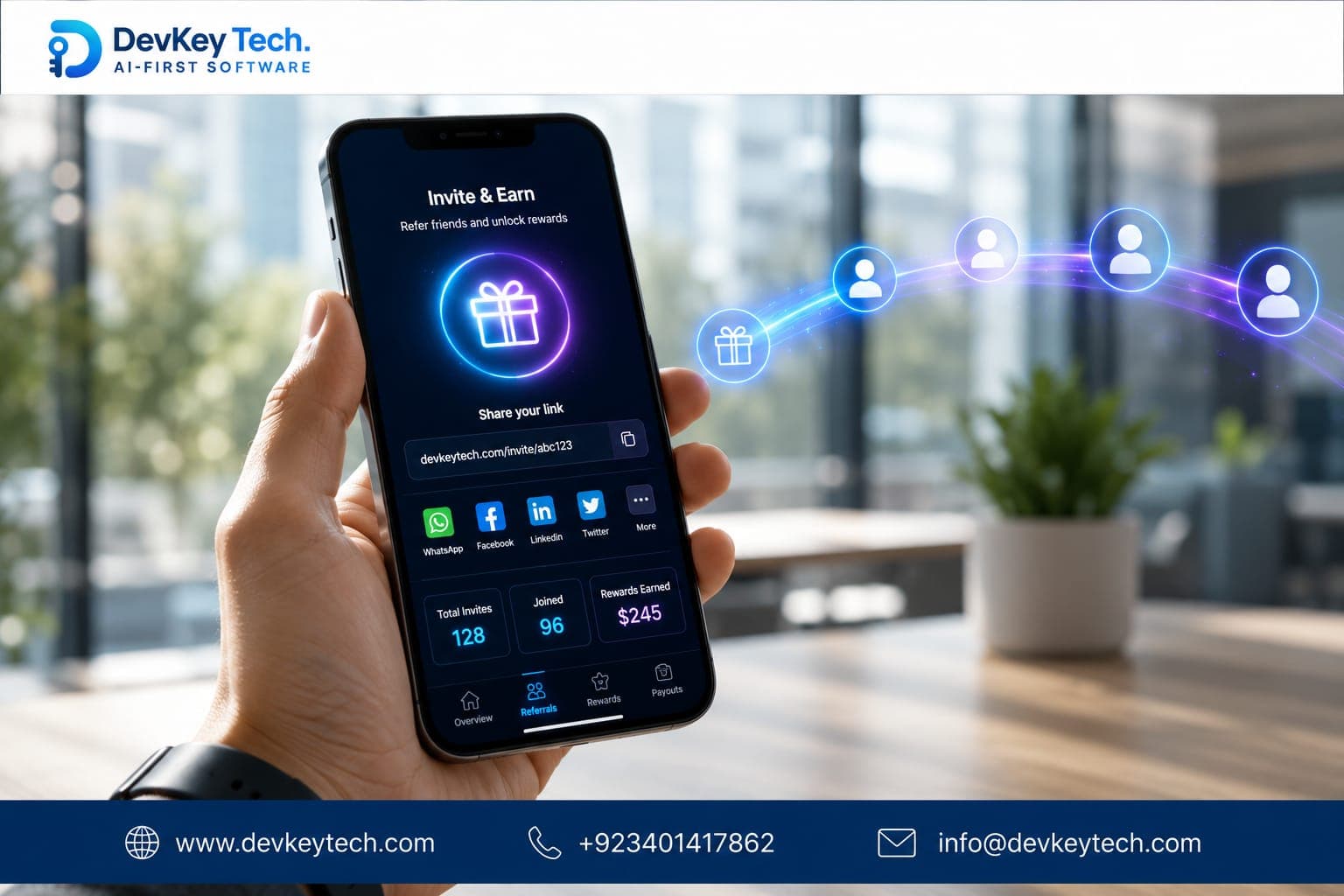
Many app developers integrate a referral program, hoping it will be a silver bullet for growth. They add a 'Refer a Friend' link deep in the settings menu, offer a modest discount, and then wonder why it rarely gets used. The truth is, a poorly designed referral program isn't just ineffective; it's a missed opportunity to leverage your most enthusiastic users. Crafting a referral program that genuinely encourages sharing requires thoughtful design, understanding user behavior, and strategic placement.
Why Most In-App Referral Programs Fall Flat
Before we dive into effective strategies, let's dissect why many referral programs fail to gain traction. Recognizing these common pitfalls is the first step toward building something better.
1. Poor Visibility and Accessibility
If users can't easily find the referral option, they won't use it. Burying it in a tertiary settings menu ensures it remains a well-kept secret.
2. Unclear or Uncompelling Value Proposition
Users need to understand what's in it for them (the referrer) and their friends (the referee). If the reward isn't clear, immediate, or valuable enough, there's no motivation to participate.
3. High Friction in the Sharing Process
Every extra tap, every manual copy-paste, every confusing step adds friction. Users are busy; they won't jump through hoops to share a referral link.
4. Ill-Timed Prompts
Asking for a referral when a user is struggling with your app, or at an irrelevant moment, feels intrusive and is unlikely to be successful. Context is everything.
5. Lack of Promotion and Reinforcement
A referral program isn't a 'set it and forget it' feature. It needs ongoing promotion and reminders within the app and through other channels to stay top-of-mind.
Core Principles for an Effective Referral Program
To move beyond these pitfalls, focus on a few foundational principles:
- Visibility: Make it easy to find and impossible to miss at opportune moments.
- Value: The incentive must be genuinely attractive to both parties.
- Simplicity: Sharing should be effortless, taking minimal steps.
- Context: Prompt users when they are most satisfied or have just achieved a positive outcome.
- Promotion: Actively remind and encourage users to participate.
An effective referral program isn't about simply offering a discount; it's about seamlessly integrating an act of advocacy into your user's natural journey.
Key Design Elements for Driving Referrals
1. The Incentive Structure: Dual-Sided is Often Best
While single-sided incentives (only the referrer gets a reward) can work, dual-sided incentives are typically more powerful. They remove hesitation from the referrer (who wants to give their friend something good) and reduce friction for the referee (who also gets a benefit).
- For the Referrer: Consider in-app credits, premium feature unlocks, extended trial periods, or a discount on their next purchase/subscription.
- For the Referee: A welcome discount, free trial extension, or bonus credit upon signup are common and effective.
- Timing of Rewards: Instant gratification works well. Reward the referrer once the referee completes a key action (e.g., signs up, makes their first purchase, subscribes).
2. Seamless User Experience (UX)
The path from deciding to refer to successfully sharing should be butter-smooth.
- Dedicated Referral Section: While not the only placement, a clear, branded 'Refer a Friend' section in a main menu (e.g., under 'Account' or 'More') provides a consistent anchor.
- Contextual Prompts: This is where the magic happens.
- Post-Conversion/Purchase: After a user successfully completes a purchase, upgrades, or achieves a significant milestone in your app, they are often feeling positive and are more likely to share.
- After a Positive Interaction: Did they rate your app 5 stars? Complete a challenging level? Unlock a new achievement? These are prime moments.
- Through Push Notifications/In-App Messages: Used sparingly and intelligently, these can remind users of the program.
- Easy Sharing Options:
- Pre-filled Messages: Provide a customizable message that users can quickly send. Include their unique referral code/link automatically.
- Direct Share Channels: Offer one-tap sharing to popular platforms like SMS, email, WhatsApp, social media (Facebook, X, etc.) directly from your app.
- Copy to Clipboard: A simple button to copy the referral link/code.
- Tracking and Transparency: Show users the status of their referrals (e.g., '1 friend joined, 0 friends purchased'). This builds trust and encourages further sharing. Notify them when their rewards are earned.
3. Clear Communication and Design
The messaging around your referral program needs to be concise and persuasive.
- Benefit-Oriented Language: Instead of 'Referral Program,' try 'Share the Love, Get Rewards!' or 'Invite a Friend, Get [X]!'
- Visual Cues: Use inviting imagery or clear icons to draw attention to the referral option.
- Simple Instructions: Explain the process in 1-2 easy steps.
For example, a user flow might look like this:
- User completes a successful transaction.
- A subtle in-app message appears: "Enjoying your purchase? Share DevKeyTech with a friend and you both get $10 off!"
- Tapping the message takes them to a screen with a pre-filled share message and options for SMS, email, or copying the link.
- Upon successful referral conversion, the referrer receives an in-app notification of their $10 credit.
This integrates the referral action naturally into a moment of user delight.
Measuring Success and Iterating
A well-designed referral program isn't a static entity. It requires continuous monitoring and optimization.
- Key Metrics:
- Participation Rate: How many users engage with the referral program?
- Referral Conversion Rate: How many referred users complete the desired action (e.g., sign up, make a purchase)?
- Lifetime Value (LTV) of Referred Users: Are referred users more engaged or valuable than organically acquired users?
- Cost Per Acquisition (CPA) from Referrals: Is the cost of the referral incentive less than the value of the acquired user?
- A/B Testing: Experiment with different incentives, message timings, button placements, and copy to see what resonates most with your audience.
- User Feedback: Ask users why they do or don't use the program.
By treating your referral program as a living part of your product growth strategy, you can continuously refine it for better performance. Understanding user behavior and building seamless, rewarding experiences are central to successful app development. If you're looking to develop or enhance your mobile or web applications with features like robust referral programs, explore our software development services or review our past projects to see how we help clients build user-centric solutions.