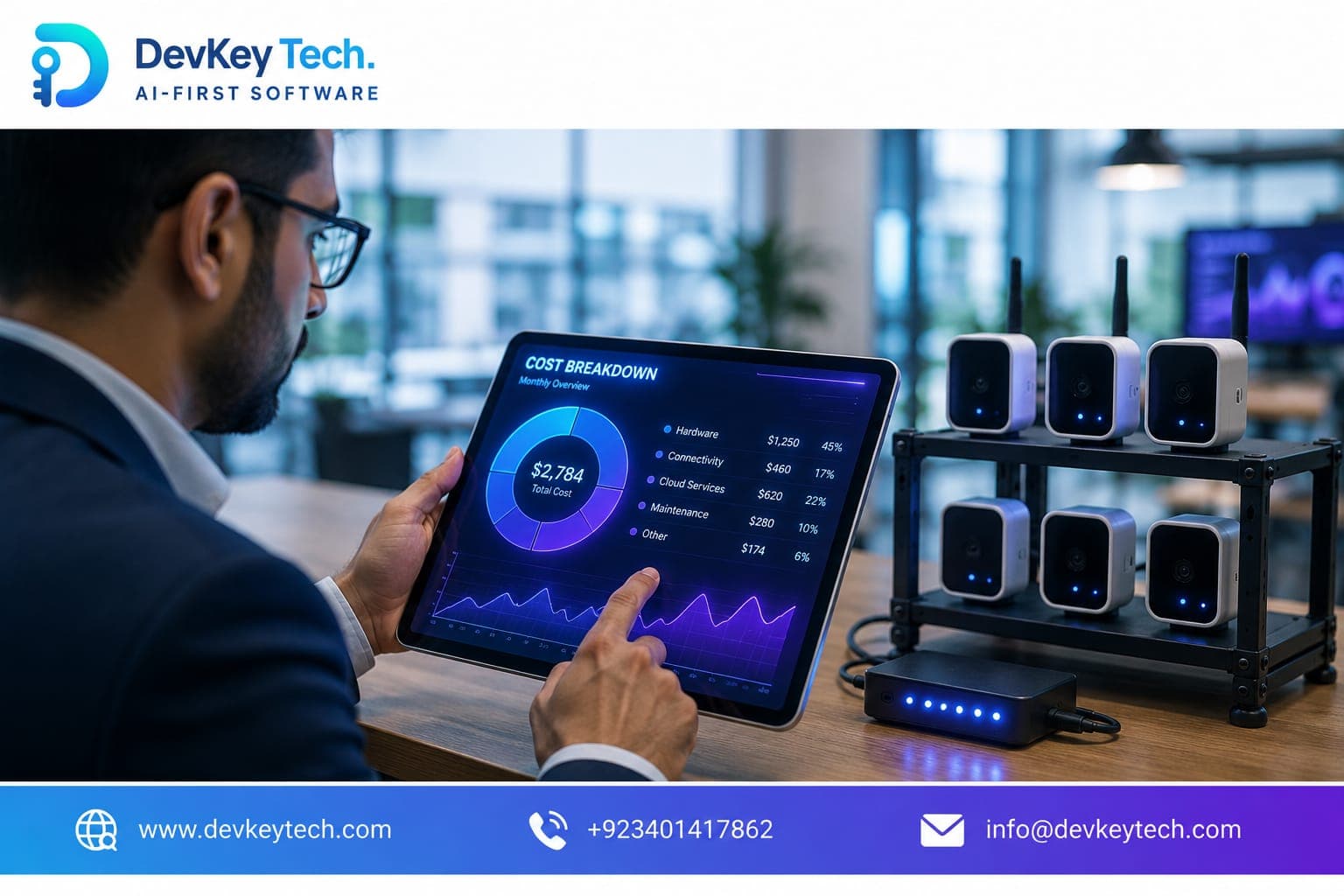
When launching an IoT initiative, founders often focus intensely on the initial capital expenditure: the cost of sensors, gateways, and primary installation. While this CapEx is significant, it's merely the entry ticket. The true financial challenge—and where many businesses falter—lies in the ongoing operational expenses (OpEx) required to keep an IoT sensor fleet functioning reliably and securely over its lifespan. These hidden costs can quickly erode projected ROI if not meticulously planned for.
The Core Misconception: Ignoring Long-Term OpEx
Many initial IoT budgets treat hardware acquisition as the primary cost driver. This perspective overlooks the continuous, dynamic expenditures essential for a fleet's vitality. An IoT deployment isn't a 'set it and forget it' solution; it's a living system that requires constant attention, resources, and adaptation. Ignoring these long-term costs isn't just a budgeting error; it's a strategic oversight that can lead to project failure or unsustainable operational models.
Key IoT Sensor Fleet Maintenance Costs Often Overlooked
1. Connectivity Costs: The Data Lifeline
Every sensor needs to communicate, and that communication comes at a price. This isn't just about a basic data plan; it's about the right data plan for your specific deployment, and understanding how usage scales.
- Cellular Data Plans: For devices leveraging 4G, 5G, LTE-M, or NB-IoT, monthly data subscriptions are a recurring cost. Factors like data volume, geographic coverage, and SIM management fees can vary wildly. A fleet of thousands of sensors, even if each uses minimal data, can accumulate substantial aggregate costs.
- Satellite Connectivity: For remote or global deployments, satellite offers reach but at a significantly higher per-device cost.
- LoRaWAN/Sigfox Network Access: While often more cost-effective for low-bandwidth applications, these still involve network service fees or the cost of deploying and maintaining your own private gateways.
- Network Infrastructure Maintenance: If you're building out private networks (e.g., Wi-Fi, Ethernet, private LoRaWAN), you'll have costs associated with maintaining gateways, routers, access points, and backhaul infrastructure.
Actionable Insight: Don't just budget for average data use. Model peak data usage, consider roaming charges, and investigate tiered pricing options or custom plans that scale with your specific needs. Look into custom software development for data optimization to reduce transfer volumes.
2. Power Management and Battery Replacements
Powering devices, especially those in remote or hard-to-reach locations, introduces significant recurring costs.
- Battery Purchases: Even long-life batteries eventually die. For a large fleet, the sheer volume of replacement batteries can be a major expense.
- Labor for Replacement: The cost of sending technicians to remote sites to replace batteries can quickly overshadow the battery cost itself. Consider travel, labor hours, and potential downtime.
- Alternative Power Systems: While solar panels or energy harvesting can reduce battery reliance, they incur their own initial installation and maintenance costs (e.g., cleaning panels, checking connections).
- Power Optimization: Continual software and firmware optimization is needed to extend battery life, requiring developer time.
3. Hardware Maintenance and Replacement
Sensors are physical devices exposed to environments. They are not indestructible.
- Calibration and Recalibration: Many sensors, especially those for precision measurements (e.g., temperature, pressure, chemical levels), require periodic calibration to maintain accuracy. This means specialized equipment and skilled personnel.
- Physical Wear and Tear: Dust, moisture, temperature extremes, vibration, or even accidental damage can degrade sensors. Budget for outright replacement of damaged units.
- End-of-Life (EOL) Planning: Sensor models and components become obsolete. You'll eventually need to replace entire fleets or integrate new sensor types, incurring new hardware costs and integration efforts.
- Field Service: Diagnosing and fixing hardware issues on-site involves sending skilled technicians, which includes labor, travel, and equipment costs.
4. Software and Firmware Updates
Software is never truly