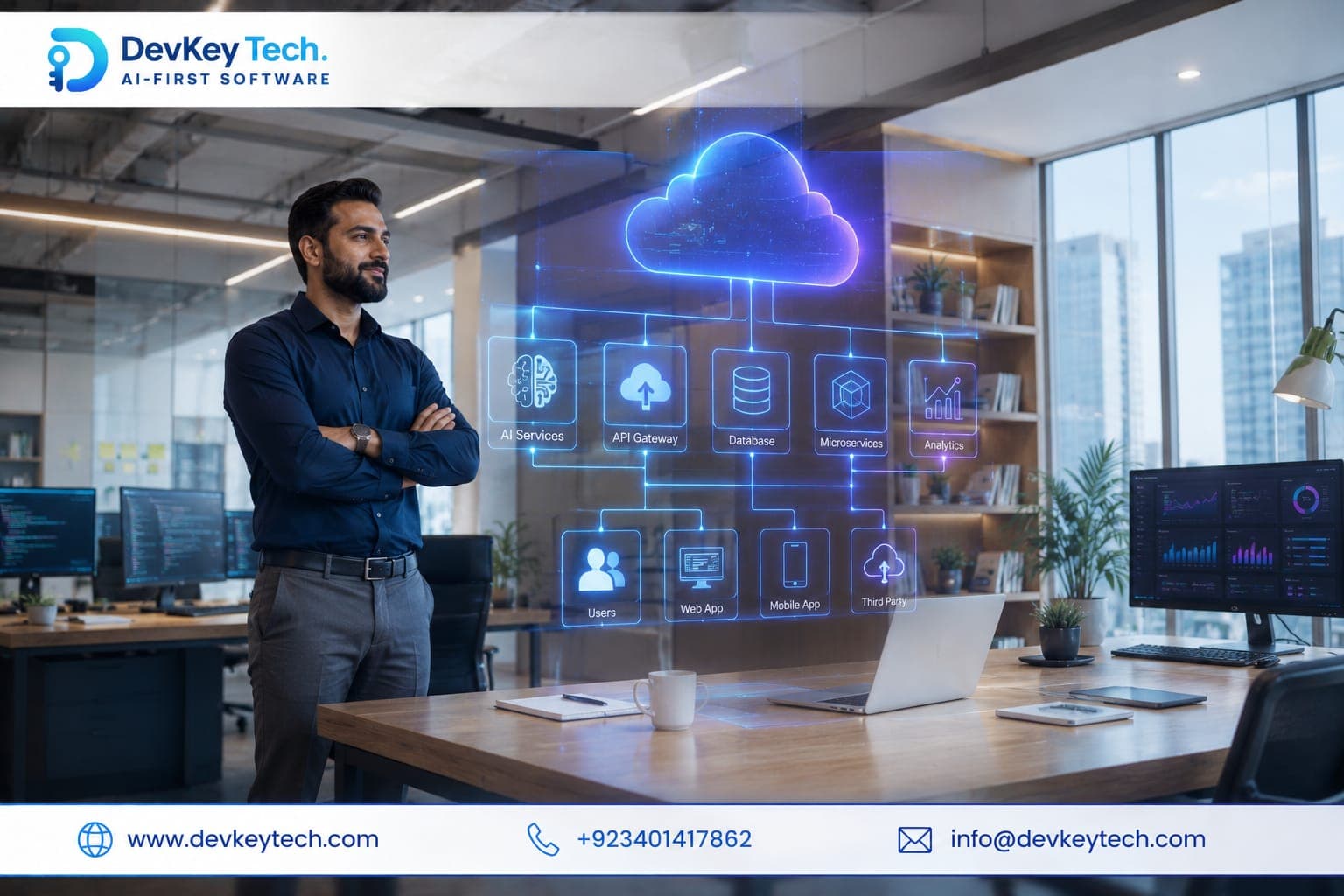
For many traditional businesses, the term 'Internet of Things' (IoT) might sound like a futuristic concept reserved for tech giants. In reality, IoT is increasingly relevant and accessible, offering tangible benefits for companies across every sector, from manufacturing and logistics to retail and hospitality. It's not about complex gadgets for their own sake; it's about using smart connections to solve real-world problems and drive business value.
What Exactly is the Internet of Things (IoT)?
At its core, IoT refers to a network of physical objects – 'things' – embedded with sensors, software, and other technologies for the purpose of connecting and exchanging data with other devices and systems over the internet. Think of it as giving everyday objects a digital voice and the ability to act on what they 'see' or 'feel'.
It breaks down into a few key components:
- The 'Things' (Devices & Sensors): These are physical objects equipped with sensors to collect data (temperature, pressure, location, movement, light, etc.) and actuators to perform actions (open a valve, turn off a light).
- Connectivity: The way these devices communicate, which could be Wi-Fi, cellular (4G/5G), Bluetooth, or specialized low-power wide-area networks (LPWANs) like LoRaWAN.
- Data Processing & Storage (Cloud): Once data is collected, it's sent to a central system, often a cloud platform, for storage, analysis, and interpretation.
- User Interface & Action: Software applications allow users to monitor data, analyze trends, and send commands back to the devices. This can trigger automated actions or provide insights for human decision-making.
Ultimately, IoT transforms passive objects into active participants in a data-driven ecosystem, enabling smarter operations and better decision-making.
Why Should Traditional Businesses Care About IoT?
The immediate answer is often about efficiency and competitive advantage. Traditional businesses face constant pressure to optimize operations, reduce costs, enhance customer experiences, and innovate. IoT provides powerful tools to address these challenges head-on by providing unprecedented visibility and control over physical assets and processes.
IoT isn't just about collecting data; it's about turning that data into actionable insights that lead to better business outcomes. For traditional businesses, this often translates directly into cost savings, increased revenue, or improved service quality.
Consider a manufacturing plant that can predict machine failures before they happen, or a retail store that can dynamically adjust inventory based on real-time foot traffic. These are not far-fetched scenarios; they are practical applications of IoT.
Real-World Payoffs: Where IoT Delivers Value
Let's look at specific areas where IoT tends to generate significant returns for traditional businesses:
1. Operational Efficiency and Cost Savings
- Predictive Maintenance: Instead of fixed maintenance schedules or waiting for equipment to break down (costly downtime), sensors monitor machine health (vibration, temperature, performance). IoT platforms can then alert maintenance teams to potential issues before they become critical, dramatically reducing unplanned downtime and repair costs. This is invaluable in manufacturing, fleet management, and infrastructure.
- Asset Tracking and Management: Know the exact location and status of inventory, vehicles, or high-value equipment. This optimizes logistics, reduces loss, and improves utilization, particularly for businesses with extensive supply chains or field operations.
- Energy Management: Smart sensors can monitor and control energy consumption in buildings, industrial facilities, and refrigeration units. This leads to significant reductions in utility bills and a smaller carbon footprint.
- Optimized Resource Utilization: Whether it's tracking the usage of shared tools in a construction site or monitoring the fill levels of waste bins in a city, IoT helps ensure resources are used effectively, preventing waste and unnecessary expenses.
2. Enhanced Customer Experience
- Personalized Retail: Beacons in stores can interact with customer apps to offer personalized promotions or navigation assistance. Smart shelves can detect stock levels and trigger reorders, ensuring products are always available.
- Smart Hospitality: Guests can use apps to control room temperature, lighting, or even order room service, creating a seamless and modern experience.
- Improved Service Delivery: For field service companies, IoT can provide real-time data on asset performance, allowing for proactive service and faster, more informed responses to customer issues.
3. New Revenue Streams and Business Models
- Data Monetization: The data collected by IoT devices can be anonymized and aggregated to reveal valuable insights about usage patterns, environmental conditions, or market trends, which can then be offered as a service.
- Product-as-a-Service: Instead of selling a product outright, businesses can offer its functionality as a service, billing based on usage or performance, enabled by IoT monitoring. For example, a heavy equipment manufacturer might offer 'hours of uptime' rather than selling the machinery itself.
- Remote Monitoring & Management Services: Offering clients the ability to remotely monitor and manage their own assets via an IoT platform can create a new recurring revenue stream.
4. Improved Safety and Compliance
- Environmental Monitoring: Sensors can detect gas leaks, air quality issues, or unsafe temperatures in industrial settings, triggering alerts to protect workers and ensure compliance with regulations.
- Worker Safety: Wearable IoT devices can monitor vital signs, detect falls, or track workers in hazardous environments, improving response times in emergencies.
- Quality Control: In industries like food processing or pharmaceuticals, IoT sensors can continuously monitor conditions like temperature and humidity to ensure product quality and regulatory adherence.
Common IoT Components for Business Solutions
When considering an IoT solution, businesses typically engage with a few core technological areas:
- Sensors and Devices: The hardware that collects data. Choosing the right sensor for the specific data point (temperature, motion, proximity, etc.) and environment is crucial.
- Connectivity Infrastructure: The network that carries the data. This could range from existing Wi-Fi networks to cellular solutions for mobile assets, or specialized low-power options like LoRaWAN for widespread, low-data deployments.
- Cloud Platforms: Where data is ingested, stored, processed, and analyzed. Major cloud providers offer extensive IoT services, making it easier to scale and manage data.
- Analytics and Applications: Software that makes sense of the data. This includes dashboards for real-time monitoring, AI/ML models for predictive analysis, and business applications that integrate IoT data into existing workflows (e.g., ERP, CRM systems).
Getting Started with IoT: A Practical Approach
For traditional businesses, diving into IoT can seem daunting. The key is to start small, with a clear problem in mind:
- Identify a Pain Point: What specific problem are you trying to solve? Is it reducing machine downtime, optimizing energy use, or improving customer service? A clear objective will guide your strategy.
- Start with a Pilot Project: Don't try to overhaul everything at once. Select a small, contained area or process for an initial IoT implementation. This allows you to test the waters, understand the technology's impact, and refine your approach without significant upfront risk.
- Focus on ROI: Always evaluate the potential return on investment. How will this IoT solution save money, generate revenue, or improve a critical business metric?
- Partner with Experts: IoT solutions involve hardware, software, networking, and data analytics. Partnering with experienced software development companies can help navigate the complexities, ensuring a robust and scalable solution tailored to your business needs. DevKey Technologies brings expertise in building custom software solutions, including those that leverage IoT, to help businesses transform their operations. Learn more about our custom software development services.
Navigating the Challenges of IoT Adoption
While the benefits are significant, it's also important to be aware of common challenges:
- Data Security and Privacy: Connecting more devices means more potential entry points for security breaches. Robust security measures and data privacy protocols are paramount.
- Integration with Existing Systems: New IoT data needs to be integrated seamlessly with your existing business systems (e.g., ERP, CRM, inventory management) to unlock its full value.
- Scalability: Planning for future growth is crucial. An IoT solution that works for a small pilot might not scale effectively to hundreds or thousands of devices without careful architecture.
- Complexity and Expertise: Developing and managing IoT solutions often requires specialized skills that traditional businesses may not have in-house. This reinforces the value of external partnerships.
The Internet of Things is no longer a niche technology; it's a powerful enabler for businesses looking to gain efficiency, innovate, and stay competitive in a rapidly evolving market. By focusing on practical applications and clear business value, traditional companies can effectively harness IoT to drive meaningful transformation.
If you're exploring how IoT can benefit your business, our team at DevKey Technologies is ready to discuss your specific challenges and opportunities. Connect with us to explore potential solutions.