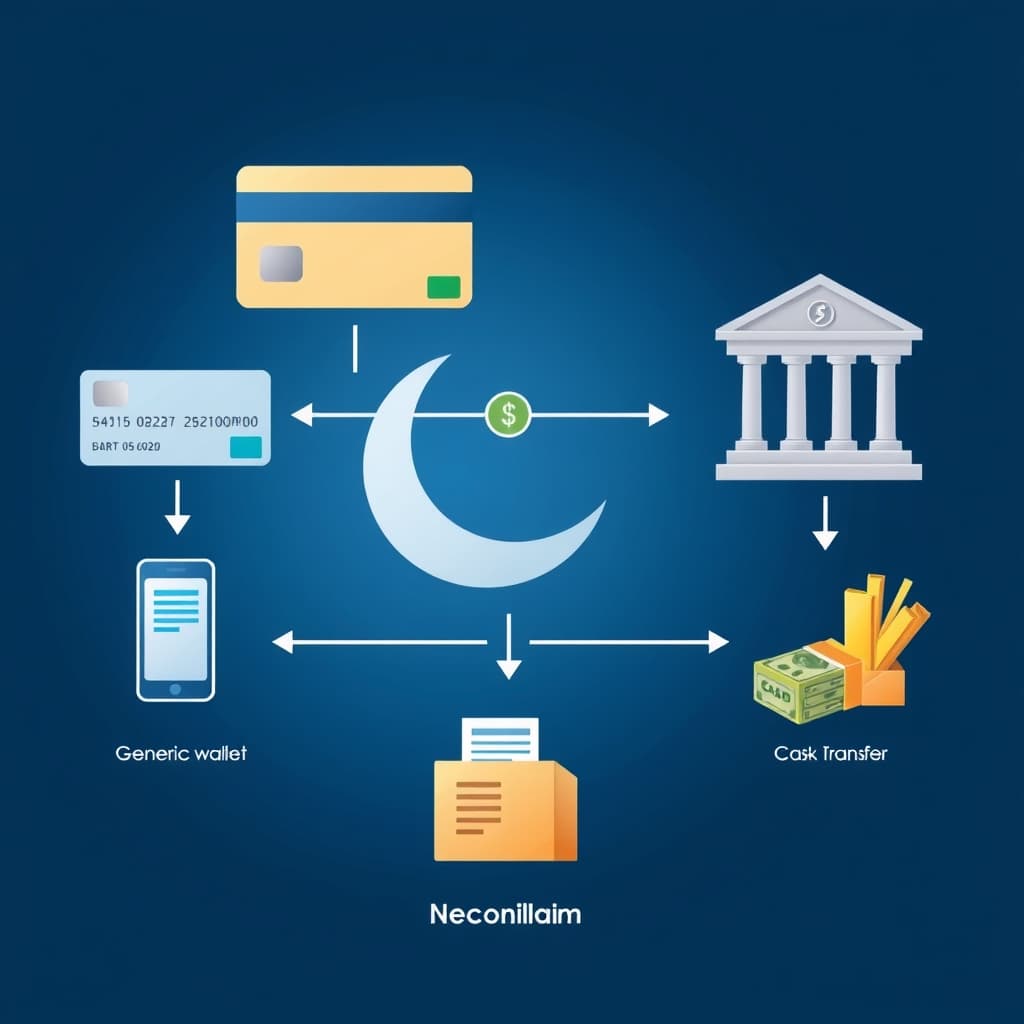
Planning payment gateway integration in Pakistan requires understanding local payment preferences, technical requirements, and reconciliation challenges. This guide helps platform founders navigate options like bank transfers, cards, mobile wallets, and COD, providing practical insights to build a robust and compliant payment system for their platform's success.
Last updated: July 2026
Understanding Pakistan's Payment Landscape
Pakistan's digital payment ecosystem is evolving rapidly, driven by increased mobile penetration and regulatory push for financial inclusion. For any platform founder, understanding the prevalent payment methods is crucial before diving into technical web development and integration.
Bank Transfers (Inter-Bank Fund Transfers - IBFT)
Direct bank transfers, facilitated through IBFT, are a common method for larger transactions or person-to-person payments. While not always a primary e-commerce checkout option, many platforms need to integrate with banking systems for payouts (e.g., to vendors, service providers) or for customers who prefer direct transfers for top-ups or specific services.
- Integration challenge: Often requires custom integration with specific bank APIs or reliance on payment gateways that abstract this complexity.
- Reconciliation: Can be manual if not integrated via a gateway, requiring matching transaction IDs or amounts against bank statements.
Debit and Credit Cards
Card payments are growing, particularly among urban populations and for international transactions. While not as universally adopted as in some Western markets, major card networks (Visa, Mastercard) are supported by various local banks and payment processors.
- Key consideration: Ensuring PCI DSS compliance if handling card data directly (though most platforms use third-party gateways to offload this responsibility).
- Availability: The acceptance rate of cards can vary, and some users may be hesitant due to security concerns or lack of card ownership.
Branchless Banking & Mobile Wallets (Easypaisa, JazzCash)
Easypaisa and JazzCash dominate the mobile wallet and branchless banking space in Pakistan. These platforms offer a broad range of services, including utility bill payments, money transfers, and merchant payments, making them indispensable for reaching a wider demographic, especially unbanked or underbanked populations.
- User convenience: High adoption due to ease of use and accessibility via mobile apps or agent networks.
- Integration method: Typically via dedicated APIs provided by Easypaisa or JazzCash, or through a broader payment gateway that consolidates these options.
Cash on Delivery (COD)
Despite the rise of digital payments, Cash on Delivery remains a significant payment method, especially for e-commerce and physical goods delivery. Many consumers prefer to inspect goods before payment, or simply lack access to digital payment methods.
- Operational overhead: Requires robust logistics, cash handling processes, and reconciliation.
- Risk: Higher risk of returns, operational costs for cash collection, and potential for fraudulent orders.
- Integration approach: While not a 'digital' integration, your platform needs to support this option in the checkout flow, track COD orders, and reconcile payments post-delivery.
Technical Considerations for Payment Integration
Once you understand the landscape, the technical aspects of payment gateway integration Pakistan come into play. A well-planned integration ensures reliability, security, and a smooth user experience.
Choosing a Payment Gateway Partner
Selecting the right payment gateway is paramount. Evaluate partners based on:
- Supported payment methods: Do they cover cards, mobile wallets, and bank transfers relevant to your target audience?
- API documentation and SDKs: Clear, well-maintained documentation and developer-friendly SDKs significantly ease integration.
- Pricing model: Understand transaction fees, setup costs, and recurring charges.
- Security standards: Ensure compliance with industry standards like PCI DSS, and strong fraud detection capabilities.
- Local support: Responsiveness and local understanding are crucial for troubleshooting and compliance.
API Integration and SDKs
Most modern payment gateways provide RESTful APIs and client-side SDKs (for web or mobile). Your development team will integrate these into your platform's backend and frontend.
// Example (hypothetical) API call for creating a payment intent
fetch('/api/create-payment-intent', {
  method: 'POST',
  headers: {
    'Content-Type': 'application/json',
  },
  body: JSON.stringify({
    amount: 10000, // in paisa
    currency: 'PKR',
    orderId: 'ORDER123',
    paymentMethodType: 'easypaisa'
  }),
})
.then(response => response.json())
.then(data => {
  if (data.clientSecret) {
    // Use clientSecret to confirm payment on client-side
  } else {
    // Handle error
  }
});
Focus on robust error handling and clear communication with the user throughout the payment flow.
Webhooks for Asynchronous Updates
Payments are often asynchronous processes. A user might initiate a transaction, but the final status (success, failure, pending) might be confirmed moments or even minutes later. Webhooks are critical for receiving real-time updates from the payment gateway without constantly polling their API.
Webhooks are essential for keeping your system's state in sync with the payment gateway, handling edge cases like network timeouts, and ensuring accurate order fulfillment.
- Implementation: Set up a secure endpoint on your server that the payment gateway can call when a payment event occurs (e.g., `payment_succeeded`, `payment_failed`, `refund_issued`).
- Security: Verify webhook signatures to ensure the requests are genuinely from your payment gateway.
Handling Failure States and Retries
Payment failures are inevitable. A resilient payment system anticipates and handles them gracefully.
- Clear error messages: Inform users why a payment failed and suggest next steps (e.g., try another card, contact bank).
- Retry mechanisms: For transient errors, consider allowing users to retry with the same or a different payment method.
- Logging: Comprehensive logging of all payment attempts, successes, and failures is vital for debugging and support.
Operational Excellence: Reconciliation and Refunds
Beyond the initial integration, managing the lifecycle of transactions is crucial for financial health.
Streamlining Reconciliation
Reconciliation – matching your platform's transaction records with your payment gateway's reports and your bank statements – is often a pain point. Manual reconciliation is time-consuming and prone to error.
- Unique Transaction IDs: Ensure every transaction initiated from your platform has a unique ID that is passed to the payment gateway and recorded in your system. This ID is key for matching.
- Daily/Weekly Reports: Utilize automated reports from your payment gateway. Many offer dashboards and downloadable CSVs.
- Automated Matching: For scale, consider building or adopting tools that programmatically match your internal records with gateway reports based on transaction IDs, amounts, and timestamps.
Managing Refunds and Chargebacks
Refunds are a part of doing business. Your payment gateway integration should support initiating refunds programmatically. Chargebacks (when a cardholder disputes a transaction with their bank) require a different process, often involving dispute resolution with the gateway and card network.
- Refund policies: Clearly define and communicate your refund policies to users.
- Technical process: Ensure your system can initiate full or partial refunds via the payment gateway's API.
- Record keeping: Maintain meticulous records of all refunds and their associated transaction IDs.
Maintaining Comprehensive Settlement Records
Every payout from your payment gateway to your bank account is a settlement. Keep detailed records of these settlements, including the total amount, period covered, and any deductions (fees).
This information is vital for accounting, financial reporting, and auditing. Ensure your system can map individual transactions to settlement batches if necessary.
Compliance and Security Essentials
Operating a payment-enabled platform means navigating regulatory requirements and maintaining robust security practices.
Regulatory Landscape
Pakistan's payment landscape is regulated by the State Bank of Pakistan (SBP). When considering payment gateway integration Pakistan, it is crucial to understand that your chosen payment gateway provider will handle many of the direct regulatory obligations. However, your platform still has a responsibility to operate legally and ethically.
- Partner Due Diligence: Thoroughly vet your payment gateway partners to ensure they are licensed and compliant with local regulations.
- User Data Privacy: Implement strong data protection practices for any user information collected, aligning with global best practices.
Disclaimer: This article provides general information and is not legal or financial advice. Founders should consult with legal counsel and their chosen payment providers to ensure full compliance with all applicable laws and regulations in Pakistan.
PCI DSS Compliance (for Card Processing)
If your platform directly handles, processes, or stores credit card data, you must comply with the Payment Card Industry Data Security Standard (PCI DSS). Most platforms avoid this by using PCI-compliant payment gateways that handle sensitive card data in a secure, tokenized environment.
- Offload risk: Leverage hosted payment pages or tokenization features from your gateway to minimize your scope of PCI DSS compliance.
Fraud Prevention
Implementing robust fraud prevention measures protects both your business and your customers.
- Gateway features: Utilize built-in fraud detection tools offered by your payment gateway (e.g., AVS, CVV checks, IP blocking).
- Behavioral analysis: Implement your own logic to flag suspicious transaction patterns (e.g., unusually large orders, multiple failed attempts, rapid changes in shipping addresses).
Building Your Payment Strategy
Navigating payment gateway integration in Pakistan requires a strategic approach. It's about combining local market understanding with robust technical implementation and strong operational processes. By carefully planning your payment methods, selecting reliable partners, and focusing on seamless reconciliation, your platform can build trust and scale effectively.
DevKey Technologies has extensive experience in building robust web applications with complex integrations. If you're planning your platform's payment strategy and need expert web development services, we invite you to reach out to us to discuss your specific requirements.