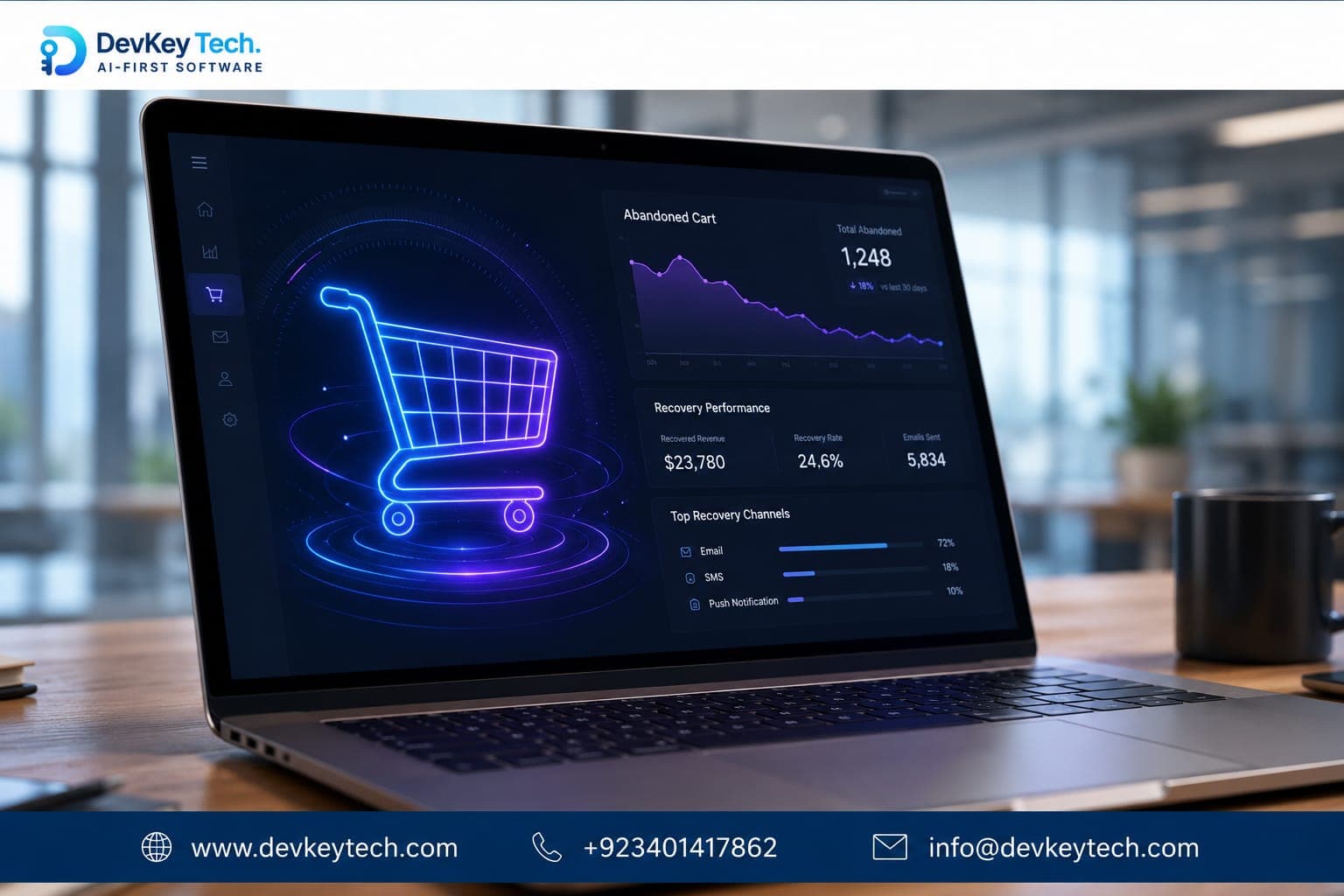
In the world of e-commerce and digital services, application performance is always a hot topic. Much of the focus often lands on the homepage or landing pages – the digital storefronts that make first impressions. While important, a slow homepage often pales in comparison to the insidious revenue drain caused by a sluggish checkout process. This isn't just about a few seconds of loading time; it's about the culmination of user intent, trust, and the direct conversion of interest into revenue.
The Homepage Fallacy: Why Perceptions Can Be Misleading
A slow homepage certainly deters new visitors. Nobody enjoys waiting for a site to load, and initial impressions matter for brand perception and SEO rankings. If your homepage is consistently slow, you'll see higher bounce rates and potentially fewer organic visitors. However, the impact, while significant, is often indirect.
Visitors arriving at a homepage are typically still in a discovery phase. They might be browsing, comparing, or simply exploring. A minor delay might send some away, but others may persevere or return later. The immediate loss of a potential sale is not guaranteed; the user's intent is not yet fully committed to a purchase.
The Checkout Flow: Where Intent Meets Friction
The checkout flow is an entirely different beast. By the time a user reaches this stage, they have invested time, effort, and expressed a clear intention to purchase. They've found a product or service, added it to their cart, and navigated through initial steps. They are, quite literally, one step away from becoming a paying customer. This is where friction, particularly in the form of poor performance, becomes catastrophic.
At the checkout, every millisecond of delay directly translates to increased frustration and a higher probability of abandoned carts. This isn't about losing a potential browser; it's about losing a committed buyer.
Direct Revenue Impact: Abandonment Rates Skyrocket
Checkout abandonment is a significant problem across all e-commerce platforms. While factors like unexpected shipping costs, complex forms, or a lack of preferred payment options contribute, performance issues amplify all of them. A slow page load between steps, unresponsive input fields, or delays in payment processing don't just add seconds; they inject doubt and irritation into an already sensitive process.
Imagine a customer who has spent 30 minutes carefully selecting items, only to face a spinning loader for 10 seconds every time they click to the next stage of checkout. This delay feels exponentially longer than it would on a homepage because their goal is imminent. Their patience, already thinning from the purchase decision, quickly evaporates. The result? Another abandoned cart and lost revenue.
Trust Erosion and Brand Damage
Beyond immediate lost sales, a slow checkout process erodes trust. When a user experiences delays and glitches at the point of transaction, it raises questions about the reliability of your service, the security of their data, and the overall professionalism of your operation. This damage is particularly insidious because it impacts repeat business and word-of-mouth referrals.
Customers who have a frustrating checkout experience are far less likely to return, even if they eventually complete the purchase elsewhere. In an age where user experience is paramount, a clunky, slow checkout can taint an otherwise positive brand interaction, turning a loyal customer into a one-time visitor.
Technical Debt and Performance Bottlenecks in Checkout
Optimizing a homepage often involves content delivery networks (CDNs), image optimization, and efficient front-end code. While essential, these are often simpler challenges than those presented by a complex checkout system. Checkout flows are inherently more intricate, involving multiple integrations and critical backend processes.
The Complexity of Checkout Systems
- Payment Gateway Integrations: Interacting with third-party payment processors introduces external network latency and potential bottlenecks. Each API call adds a layer of communication that must be optimized.
- Shipping and Tax Calculations: Real-time calculations based on location, product type, and quantity can be computationally intensive, often requiring database lookups and external service calls.
- Inventory Management: Updating stock levels, reserving items, and handling backorders can place significant load on the database, especially during peak sales periods.
- User Authentication and Session Management: Securely handling user data and maintaining session state adds overhead.
- Promotions and Discounts: Applying complex discount logic, validating coupon codes, and recalculating totals can be resource-intensive.
Each of these components, if not meticulously optimized, can introduce cumulative delays that grind the entire checkout process to a halt. Unlike a static homepage, the checkout flow is dynamic and transactional, demanding robust, high-performance infrastructure and clean, efficient code.
Quantifying the Hidden Losses
It's challenging to put an exact number on lost revenue without deep analytics, but you can estimate the potential impact. Consider your average order value and your checkout abandonment rate. Even a slight improvement in checkout speed can reduce abandonment by a few percentage points, directly translating into significant revenue gains. Multiply that by the lifetime value of a customer, and the impact becomes even clearer.
For example, if your average order value is $100 and you have 1,000 abandoned carts per month, a 5% reduction in abandonment due to faster performance means 50 additional sales, or $5,000 in direct revenue, not to mention the value of those new customers over time. These are the sales that were nearly secured, only to slip away at the last moment.
Strategies for Optimizing Your Checkout Flow
Addressing a slow checkout requires a focused, multi-faceted approach. It's often more than just a quick fix; it involves deep understanding of your application's architecture and user experience.
1. Conduct Comprehensive Performance Audits
Regularly test your checkout flow under various conditions, including peak load. Use tools to identify bottlenecks in server response times, database queries, and third-party API calls. Pay attention to both desktop and mobile experiences.
2. Optimize Backend and Frontend Code
Ensure your server-side logic is as efficient as possible for calculations and database interactions. On the frontend, minimize JavaScript execution, defer non-critical resources, and optimize images used within the checkout process. Lazy loading, where appropriate, can also help.
3. Streamline Third-Party Integrations
Evaluate every external service you use (payment gateways, shipping APIs, analytics tools). Are they all necessary? Are there more performant alternatives? Ensure API calls are batched where possible and handled asynchronously to avoid blocking the user interface.
4. Implement Robust Caching Strategies
Cache static assets and frequently accessed data where security considerations allow. While checkout data is highly dynamic, elements like shipping options (if relatively static) or product images can benefit from caching.
5. Scale Your Infrastructure
Ensure your hosting environment or cloud infrastructure can handle sudden surges in traffic. Auto-scaling capabilities are crucial to prevent performance degradation during peak shopping seasons or promotional events.
6. Enhance User Experience (UX) Beyond Speed
While speed is key, a truly optimized checkout also features clear progress indicators, validation on input fields, minimal steps, guest checkout options, and easy access to support. Sometimes, simplifying the user journey can feel faster even if the raw page load time isn't drastically different.
The Bottom Line
Investing in your checkout flow's performance isn't merely a technical endeavor; it's a direct investment in your business's revenue and customer loyalty. While the homepage sets the stage, the checkout process closes the deal. Neglecting it means leaving money on the table and sacrificing hard-won customer trust. For businesses serious about maximizing conversions, the checkout flow demands unwavering attention and ongoing optimization.
If you're struggling with a sluggish checkout or looking to enhance your application's overall performance, consider reaching out to experienced professionals. At DevKey Technologies, we specialize in developing robust and highly performant web applications and custom software solutions designed to convert effectively. We understand the critical difference a smooth, fast user journey makes, especially at the point of purchase. Explore our other insights on software development or contact us today to discuss your specific needs.